In 2026, tenants in Michigan, particularly in the Detroit area, need to understand the specific requirements for emotional support animals (ESAs) under both state and local laws. Navigating ESA regulations ensures tenants receive the protections they are entitled to while maintaining compliance with landlords and housing authorities. This guide explains the Michigan ESA requirements, what documentation is needed, and how residents in the Detroit area can secure housing accommodations for their emotional support animals under state and city regulations.
Background: Why Federal ESA Legislation Is Needed
Emotional support animals provide comfort and relief to individuals living with anxiety, depression, PTSD, and other conditions. However, inconsistencies in state laws and the proliferation of fraudulent ESA letters have prompted federal lawmakers to evaluate potential legislation. One of the key concerns is ensuring that tenants have access to legitimate ESA documentation while preventing abuse of housing and travel accommodations.
Many people turn to trusted verification services, such as RealEsaLetter, to obtain legally valid ESA letters. These services connect clients with licensed mental health professionals and provide secure, verifiable documentation. With federal legislation under discussion, the role of reputable services like RealEsaLetter may become even more central in maintaining compliance.
Key Goals of the Proposed ESA Legislation
The proposed federal ESA legislation in 2026 aims to address several pressing issues:
Standardization of ESA Documentation
Federal law currently allows tenants to present ESA letters from licensed mental health professionals, but there is no universal format. Legislation could create a standardized template for ESA letters, ensuring landlords and airlines can easily verify authenticity.Protection of Tenant Privacy
Maintaining confidentiality of mental health information is a top priority. Proposed legislation would enforce strict privacy rules for ESA documentation, similar to HIPAA regulations, to prevent misuse of sensitive data.Combatting Fraudulent ESA Letters
The rise of online ESA scams has led to confusion and abuse. Under the proposed law, stricter verification standards may be enforced, requiring letters to come from licensed professionals and possibly integrating secure digital verification methods.Clarification of ESA Rights in Housing
Although tenants currently enjoy protections under the Fair Housing Act, federal legislation may explicitly define ESA rights in housing, reducing disputes and ensuring landlords comply with legal obligations. You can learn more about the Fair Housing Act.
How the Legislation Could Impact ESA Verification
With federal legislation, tenants and landlords alike will need to understand RealEsaLetter and other verification processes. A key proposal involves a centralized system where ESA letters can be securely verified without exposing sensitive personal information. This would help landlords distinguish between legitimate ESAs and fraudulent claims, preventing unnecessary denials while safeguarding tenant privacy.
Are are online esa letters legit?
A central focus of the legislative discussion is the legitimacy of online ESA letters. Many lawmakers have expressed concern over the growing number of online services offering instant ESA letters without proper evaluation. These concerns raise the question: are online esa letters legit?
Legitimate online ESA letters are issued by licensed mental health professionals after careful assessment. Fraudulent letters, however, are often sold without proper verification. Federal legislation may establish strict guidelines to ensure that online ESA letters are credible, protecting tenants and preventing abuse of housing and airline accommodations.
Updated ESA Letter Requirements: The Checklist
If proposed legislation passes, it may formalize what constitutes a valid ESA letter. The following esa letter checklist is expected to reflect best practices:
Issued by a licensed mental health professional (therapist, psychologist, or psychiatrist).
Includes the professional’s license number and contact information.
Clearly states the mental health condition requiring an ESA.
Recommends the individual to have an emotional support animal.
Signed and dated on official letterhead.
Follows a standardized federal format.
Using a verified service like RealEsaLetter can help tenants ensure their ESA letters meet these expected standards.
What Could Change About what does an esa letter look like?
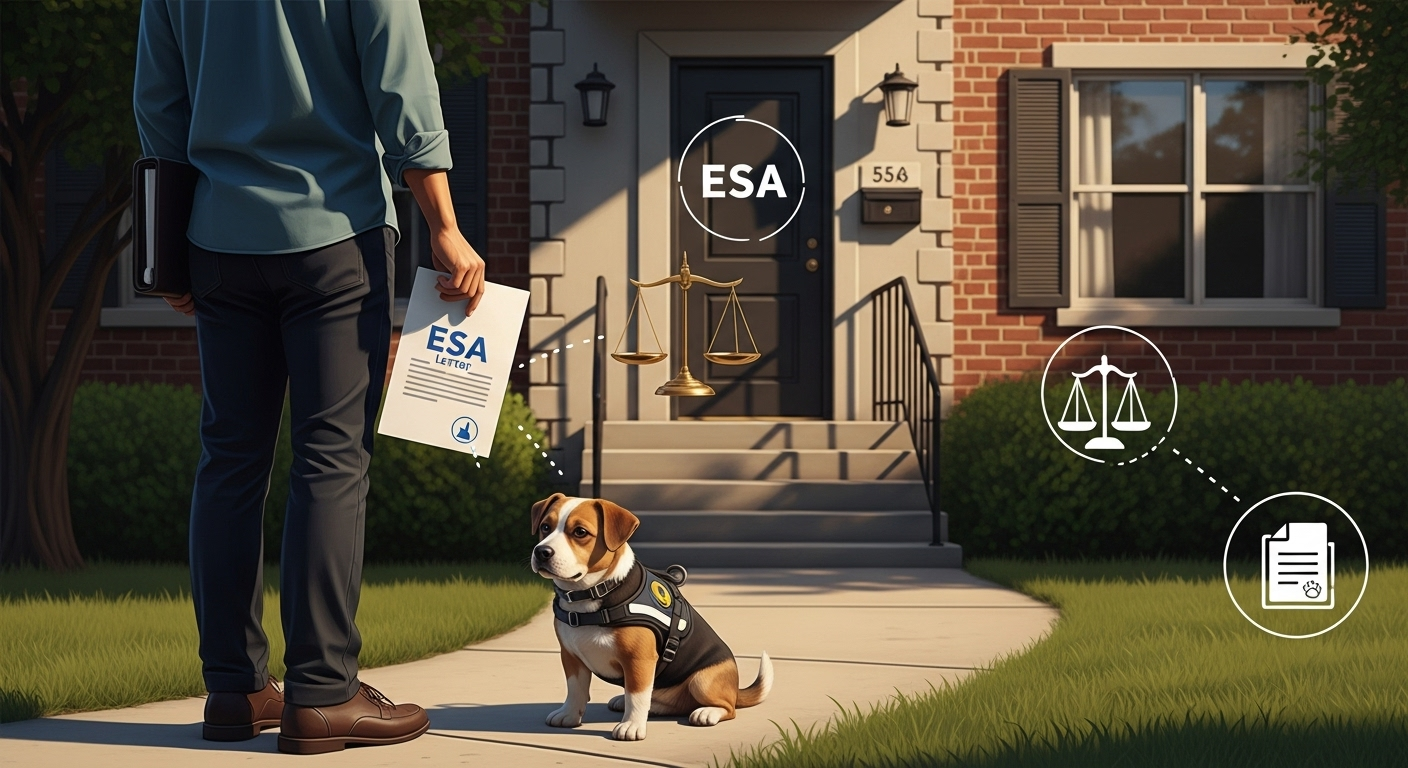
Currently, ESA letters vary in format and content. Proposed legislation seeks to clarify what does an esa letter look like by specifying required elements, including professional credentials, patient information, diagnosis summary, and recommendation for an emotional support animal. Standardized letters will help landlords, housing authorities, and airlines quickly verify legitimacy, reducing disputes and confusion.
Addressing the Question: is esa registration a scam
Under current laws, ESA registration is not required. However, misleading websites claim that registration is mandatory. Lawmakers are considering including clarifications in federal legislation to prevent these scams. This ensures that tenants are aware that is esa registration a scam? Yes — most ESA registries are unnecessary and offer no legal protection beyond a legitimate ESA letter.
State-Specific Considerations: california ab 468
Federal legislation will complement existing state laws, such as california ab 468 which strengthens tenant protections for ESAs. California tenants can request reasonable accommodations for ESAs without facing discrimination or being required to pay extra fees. Aligning federal standards with state laws like California AB 468 could reduce conflicts and provide consistent protections across the United States.
Can a Landlord Deny an ESA?
Lawmakers are also addressing situations where landlords may refuse an ESA. can a landlord deny an esa? Under both existing federal protections and proposed legislation, landlords may only deny an ESA if:
The animal poses a direct threat to the health or safety of others.
The animal causes substantial property damage.
Allowing the ESA would create an undue financial or administrative burden.
Otherwise, tenants would have clear rights to keep their ESA in housing accommodations.
Virginia Considerations: emotional support animal letter virginia
In states like Virginia, legislation would clarify that tenants with an emotional support animal letter virginia have protections similar to those in other states. virginia esa laws already prevent landlords from denying housing to tenants with a valid ESA letter, and federal legislation could reinforce these rights nationally, reducing inconsistencies between states.
Virginia ESA Laws
Understanding virginia esa laws is essential for tenants who rely on emotional support animals. These laws ensure that landlords must provide reasonable accommodations to individuals with a valid ESA letter from a licensed mental health professional. Under virginia esa laws, landlords cannot refuse housing based solely on the presence of an ESA, even in properties with “no pets” policies. Tenants are also protected from additional fees or deposits as long as the ESA does not pose a threat to others or cause substantial property damage. Familiarity with Virginia ESA laws helps both tenants and landlords understand their rights and responsibilities, reducing disputes and safeguarding legal protections for emotional support animals.
Protecting ESA rights 2026
The goal of proposed ESA legislation is to ensure all Americans enjoy consistent ESA rights 2026. Core protections include:
Housing: Standardized verification prevents discrimination.
Travel: Airlines may have clearer guidelines for ESA documentation.
Privacy: Tenants’ mental health information remains confidential.
Understanding ESA rights 2026 will empower tenants to assert their legal protections while using an ESA for emotional support.
Avoiding Scams: ESA letter scam guide
The proposed legislation also aims to reduce fraud. Following an ESA letter scam guide helps tenants avoid fraudulent services:
Avoid letters that promise instant approval.
Verify the licensing of the issuing professional.
Do not pay for unnecessary ESA registration.
Use trusted verification services like RealEsaLetter.
By adhering to these steps, tenants can secure a valid ESA letter that complies with both state and federal laws.
Conclusion
Federal ESA legislation proposed in 2026 seeks to create standardized rules for ESA verification, documentation, and tenant protections. These measures aim to:
Protect tenants’ privacy and rights.
Reduce fraud and ensure the legitimacy of ESA letters.
Align federal standards with state laws, such as California AB 468 and Virginia ESA laws.
Provide clear guidance for landlords and airlines on ESA accommodations.
Using trusted services like RealEsaLetter, following the esa letter checklist, and understanding ESA rights 2026 can help individuals navigate these evolving regulations confidently. By staying informed, tenants can ensure their emotional support animals are recognized and protected under law.